
What Companies Should Fix Before Filing Taxes
If tax season feels stressful, it is usually because the planning already happened or did not happen months ago.
Most business owners treat tax season like a finish line. In reality, it is a mirror. Taxes show you where you have been. They do not show you where you are going.
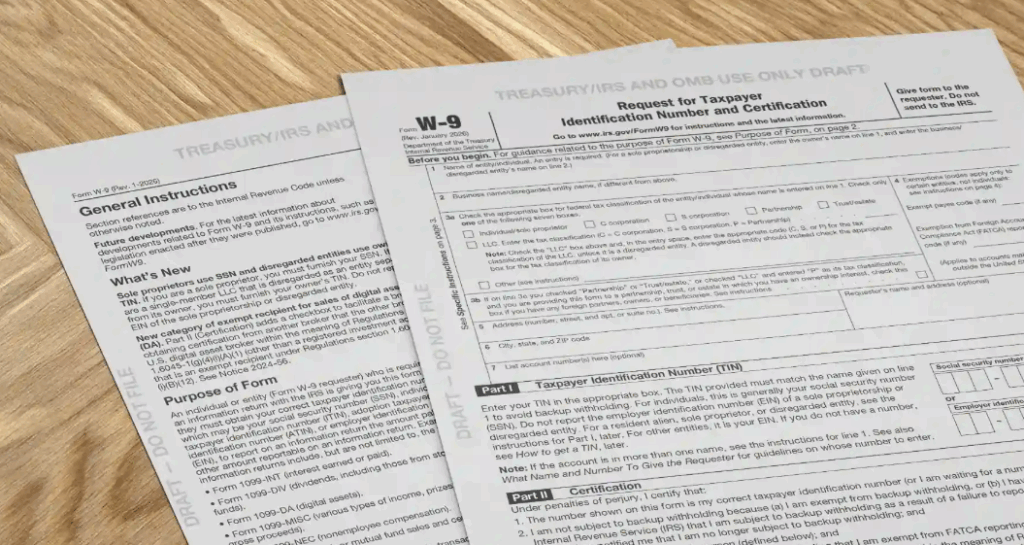
By the time you are filing, the decisions that shaped your outcome are already set. That is why filing taxes rarely fixes anything. Planning does.
Filing is Not the Work. Financial Planning Is.
Tax legislation like the One Big Beautiful Bill Act (OBBBA) often draws attention during filing season, but its real impact is felt much earlier. Changes in tax rules influence how revenue, expenses, and investments should be planned throughout the year. Without visibility and intentional planning, even well-intended legislation can feel confusing or reactive at filing time.
The OBBBA does not change the underlying mechanics of how businesses operate. Financial outcomes are still shaped by:
- How revenue was recognized.
- When expenses were incurred.
- How cash was managed.
- Which investments were prioritized.
Filing does not correct structural issues. It does not improve future outcomes. It only confirms what already exists.
When planning leads, tax season becomes a checkpoint instead of a scramble. Numbers confirm what you already understand rather than reveal problems you wish you had seen earlier.
The shift is simple but powerful: Visibility instead of guesswork.
What to Fix Before Filing From a Planning Lens
The fixes below are not about perfect tax forms. They are about building financial clarity that supports better decisions going forward.
1. Books That Do Not Support Forward Planning
Messy books are not just a tax issue. They are a planning issue.
When reconciliations are delayed or incomplete, reports reflect the past instead of your current reality. That makes forecasting unreliable and cash planning difficult.
Clean, timely books are the baseline for every strategic decision. Hiring. Pricing. Investment. Growth pacing.
Owner Takeaway: You cannot plan from numbers you do not trust.
2. Revenue You Cannot Reliably Predict
Revenue clarity is about confidence, not just reporting.
Inconsistent revenue recognition hides trends and makes growth feel risky. When revenue feels unpredictable, every decision carries unnecessary weight.
Clear revenue patterns allow business owners to plan ahead, invest intentionally, and grow without constant second guessing.
Owner takeaway: If revenue feels unpredictable, planning will always feel risky.
3. Expenses Without Context or Strategy
Business expenses should tell a story about priorities. Often, they do not.
When expense categories do not align with how the business actually operates, or when personal and business spending are mixed, margins become distorted. That makes it difficult to understand what is fixed, what is flexible, and where changes are possible.
Planning requires knowing what you can change and what you cannot.
Owner takeaway: Planning starts with understanding which costs are choices and which are commitments.
4. Cash Flow Managed Reactively
Cash flow is where planning either shows up or breaks down.
A business can be profitable on paper and still struggle with tax payments if cash timing is not planned. Without cash forecasting, obligations feel like surprises even when they should not be.
Planning ahead for cash needs removes panic and restores control.
Owner takeaway: Cash flow planning removes stress from tax season.
5. Big Decisions Made Without a Future-Focus
Taxes should reflect smart decisions, not punish rushed ones.
Hiring, bonuses, equipment purchases, and owner distributions all carry tax implications. When decisions are made without a forward view, owners often realize too late that timing or structure could have changed the outcome.
Planning does not eliminate tradeoffs. It provides options instead of regrets.
Owner takeaway: Better tax outcomes usually come from better decisions, not better forms.
Why Planning-Led Businesses Experience Easier Tax Seasons
Businesses that lead with planning do not experience tax season as disruption.
This difference becomes even clearer when tax legislation changes. Measures like the OBBBA may adjust thresholds, timing considerations, or incentives, but businesses with strong financial visibility are able to adapt calmly. Those without planning often experience the same changes as disruption rather than information.
As a result, planning-led businesses tend to see:
- Fewer surprises
- Faster filing
- More confidence in their numbers
- More productive advisory conversations
This is what clean books without drama looks like.
What Planning-First Finance Actually Looks Like
Planning-first finance is not complicated. It is intentional.
It includes:
- Regular visibility into performance
- Advisors who ask forward-looking questions
- Financial conversations that support growth, not just compliance
This is advisory that helps decode decisions before they become problems.
Where CPA Advisory Fits
Many CPAs want to spend more time advising. Many businesses want less tax-only interaction.
Advisory-focused CPAs prioritize planning, insight, and clarity throughout the year. Fractional support adapts as a business grows and provides guidance when it matters most.
The right CPA relationship reduces chaos year-round, not just at filing time.
Waves CPAs connects businesses with CPA consultants who prioritize planning, insight, and decision-making, not just filing deadlines.
Planning Over Panic: How to Launch a Future-Focused Finance Plan
Tax season should not be the moment you discover what went wrong. Get planning-focused financial support before tax season forces the conversation.
See what it looks like to work with CPAs who help you plan ahead.